Bolting in Confined Spaces at Height: Practical Oil & Gas Strategies
March 31, 2026
0
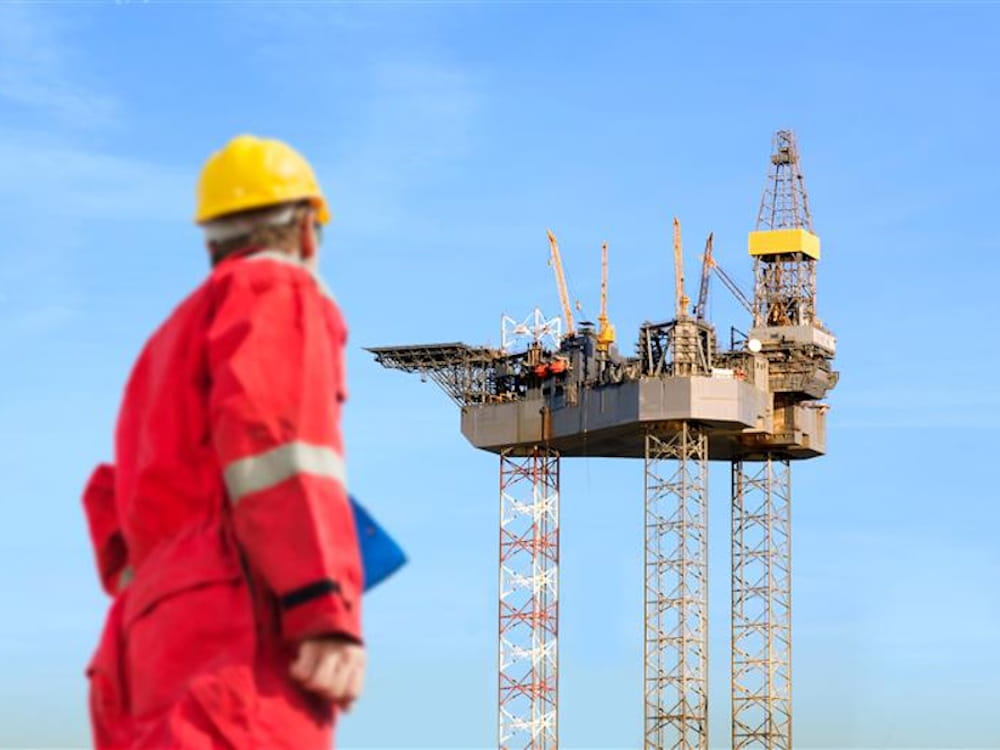
When bolting in oil & gas environments, you rarely get called to a nice, easily accessible flange at the ideal height on a clean concrete floor.
More often it’s an elevated deck with grating under your boots, pipework crowding your shoulders, and colleagues asking how much longer you’ll be. The flange is three flights of stairs up, the weather is turning bad, and every extra trip for a forgotten hose or the “other” pump chips away at both safety and schedule.
This article looks at how bolting crews can manage jobs in those awkward locations: at height, and in tight spaces where accessibility and visibility is limited. It also looks at how choosing more portable, better‑designed hydraulic tools and torque pumps can take some of the pain and risk out of those jobs.
Working at height: less to carry, fewer trips
Every extra kilogram you send up to the elevated workspace has a cost in time, fatigue and risk. A traditional bolting setup usually involves your torque wrench, a heavy pump, multiple hoses, separate boxes of accessories, easily resulting in several separate lifts or multiple trips up and down steps or ladders.
Smarter bolting techs tend to think about working at height in three ways:
Minimize what needs to go up
A compact, portable torque pump that can comfortably run the tools you need is worth its weight in gold here. You may have a favorite torque pump that can handle just about anything, but if it’s overpowered, cumbersome and requires 2 people to get it in place, then maybe its time to look at the lighter alternatives. You may also want to consider a modular torque wrench that saves you carrying both square drive and low-profile models.
Make whatever does go up easy to handle
Torque Pumps with integrated carry frames, a properly balanced handling and a footprint that sits securely on a grated deck are far easier to live with. Add practical touches like shoulder straps and easy-to-carry cases and you reduce the temptation for improvised, risky handling.
Cut down on “forgot something” moments
A lot of wasted effort at height comes from missing accessories – wrong hose length, no reaction arm, missing sockets. Put together a job‑specific bolting kit in advance to help ensure everything you need goes up in one go.
Tight access and congested working areas
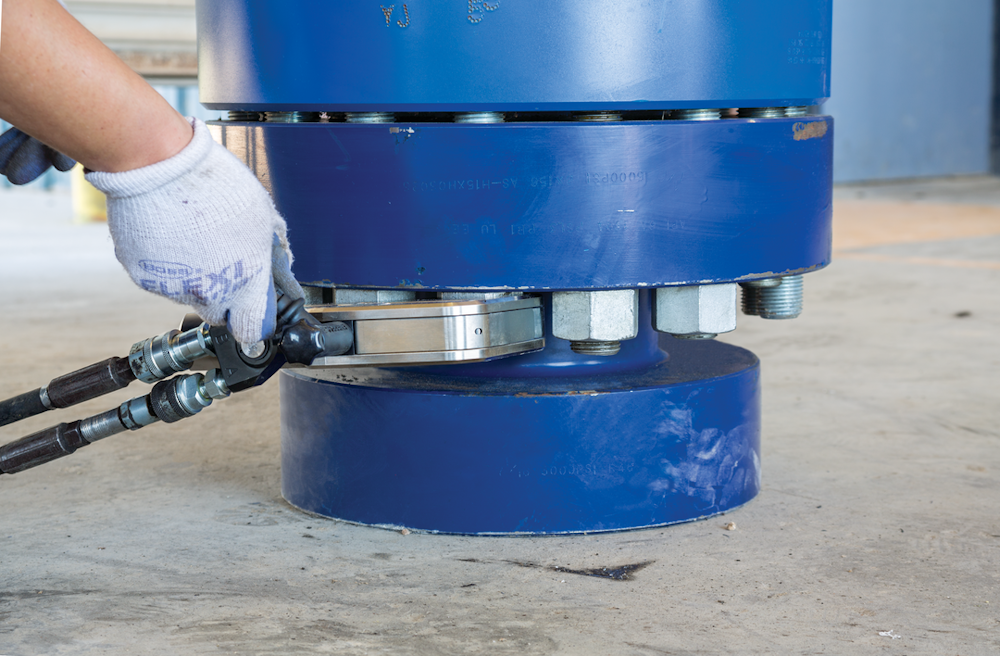
Once you’re at the flange joint, access is often the next battle. Flanges crammed with many fastenings, retrofit modifications, and unexpected components rarely leave generous clearance around every nut. In these situations, the crews with the right tools tend to do two things well:
Match the tool to the clearance.
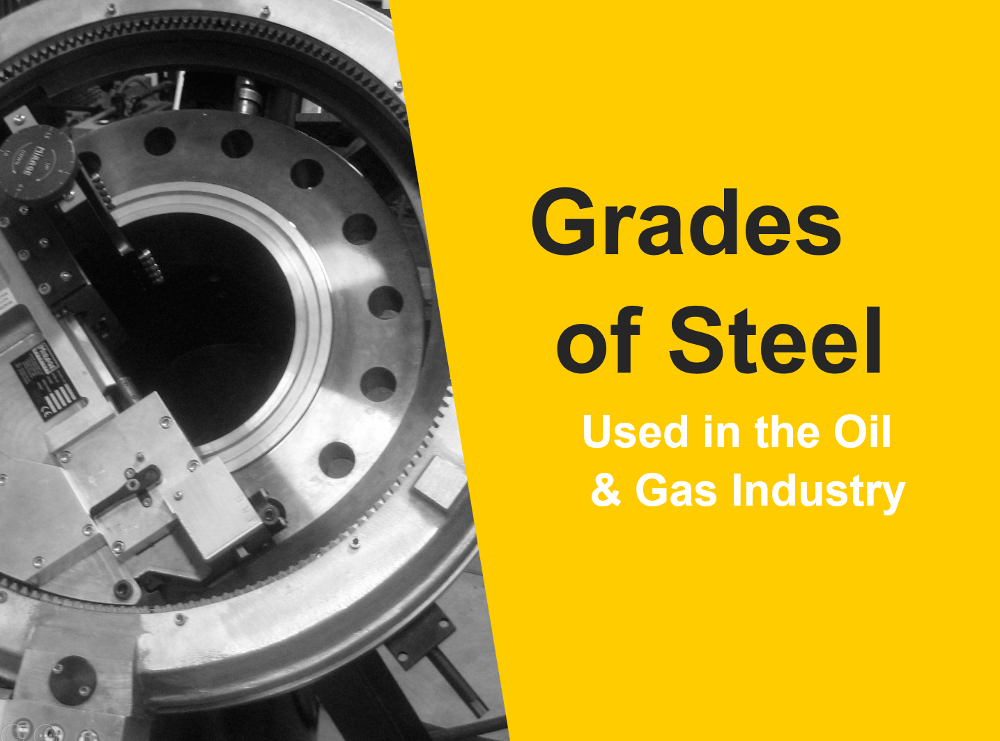
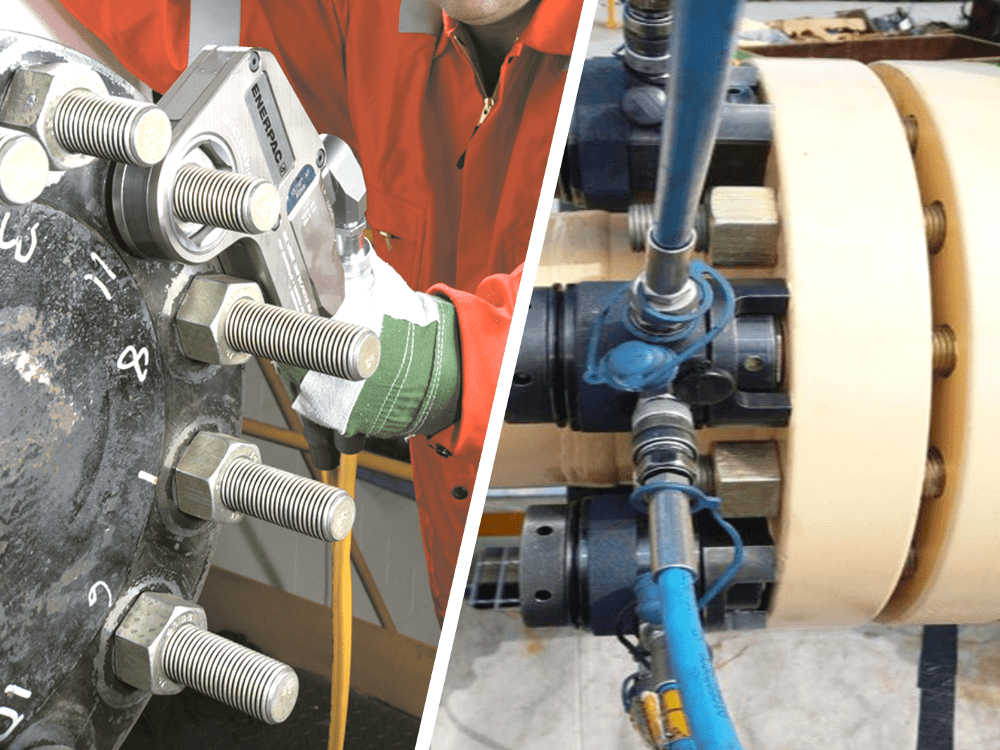
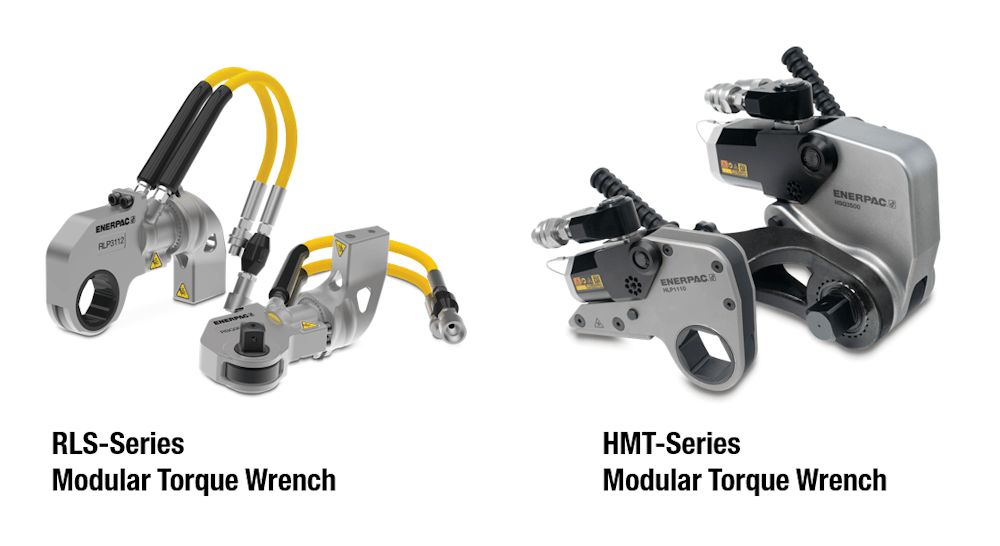
Low-profile torque wrenches, such as Enerpac’s W-Series, excel in confined bolt circle applications. Tool-free cassette changes make swapping between sizes fast and straightforward, while UltraSlim cassettes -with their stepped, reduced-width profile- provide a solution where clearance around the nut is especially restricted. Paired with a compact hydraulic torque pump, these wrenches grant access to bolts that bulkier equipment simply cannot reach. For jobs where trailing air hoses or power cords would be an obstacle, a battery-powered torque pump offers a clean, cable-free alternative.
Pump positioning and ergonomic considerations
Easy‑to‑read controls and gauges on the torque pump allow the operator to stand clear of handrails, obstructions, and out of the line of fire. In a congested workspace, being able to position the pump somewhere sensible and control the cycle without leaning over the tool is a real safety and ergonomics gain. Pendant pump controls are a must in these settings.
A well‑thought‑out bolting package for tight access work should be based on tools that genuinely fit into restricted spaces, backed by a pump that doesn’t create its own access problems.
Getting the equipment to the flange: logistics as a bolting problem
On many assets, the hard work starts long before the first bolt is turned. Just getting the equipment close to the flange can eat into your allocated time.
Offshore, that might mean:
- Transferring kit to the main deck.
- Going up narrow stair towers where two people can barely pass.
- Navigating around other contractors and temporary works.
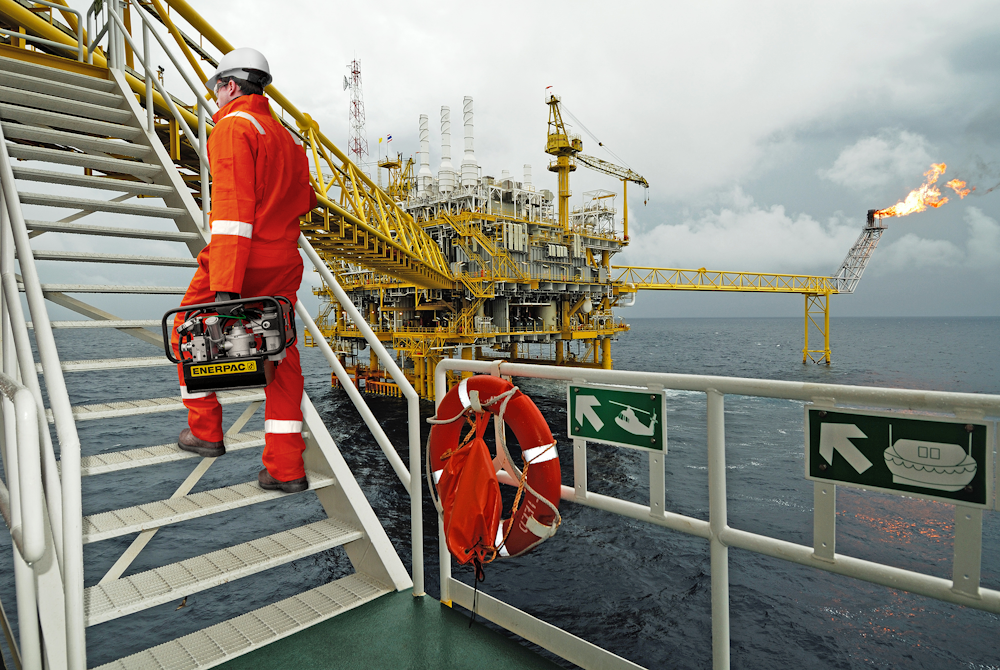
Preparing pre‑assembled job sets, including pump, tools, hoses, manifolds, tethers and basic spares that live together between jobs are another proven tactic. If it goes to the job as one package, it’s much harder for a critical hose or fitting to be left behind.
When you treat logistics as part of your bolting strategy, portable, well‑designed equipment becomes as important as the tightening method itself.
Preventing dropped tools: working over grating and live equipment
On elevated, grated decks, dropped objects sit very high on the risk register. A nut falling from height is bad enough; a hydraulic torque wrench or a pump component is worse.
If you are spending a lot of time working at height, there’s some extra considerations:
It also helps to set up exclusion zones below the work area, use edge protection where needed, and choose tools designed for tethering so the job stays both efficient and safe.
Tethering
When bolting technicians are working at height, preventing dropped objects starts with simple but critical controls: tether tools and parts wherever possible, keep loose items out of pockets, and use secure pouches or tool bags for transport.
Stable, predictable geometry
Pumps and tools that sit flat, have a low center of gravity are far less likely to move unexpectedly if bumped. The design details you barely notice on the ground such as handle placement, balance when you pick the tool up, and how it sits when you put it down matter more when there’s a drop zone below you.
Thoughtful hose routing
Hoses that are appropriately sized and flexible enough to route neatly around handrails and obstructions are less likely to snag and pull a tool off a deck. Simple accessories like hose clips and anchors can make a big difference on crowded walkways.
Building a difficult access bolting kit for your asset
If you know your site includes a lot of elevated work, tight skids or access‑restricted locations, it makes sense to formalize that into a dedicated difficult access bolting kit rather than improvising from general‑purpose tools. A typical kit might include:
A compact, portable hydraulic torque pump.
Sized to handle the jobs you encounter, with enough flow for efficient work but light enough to carry or lift easily. Ideally with a protective frame, clear gauges and intuitive controls that can be read at a glance.
A selection of low‑profile bolting tools.
Cassette‑style torque wrenches like the Enerpac W-Series, with the most commonly used hex sizes and reaction arms to deal with awkward geometries. The ERAK Reaction Arm Kit cleverly replaces multiple custom reaction arms eliminates the need for extended reaction arm and reaction tubes.
Hoses and manifolds chosen for access, not just pressure rating.
A mix of standard and longer hoses, plus manifolds or multi‑port options where two tools might need to run from one pump. The aim is to give yourself routing options that keep people out of the tightest spots.
Dropped object prevention and handling accessories.
Tool tethers, hose whips and clips, small slings for lifting the pump and toolboxes, and a simple means of securing the pump frame to gratings or handrails when in use.
Simple, job‑ready documentation.
Laminated cards or digital job packs that set out specific guidance for bolting at height and in tight spaces: preferred tool combinations, standard hose layouts, and any site‑specific rules around tethering and exclusion zones.
For many operators and contractors, Enerpac’s more portable torque pumps and low‑profile bolting tools form a natural backbone for this sort of kit. Their emphasis on compact design, robust frames, and practical safety features align well with the realities described above, giving crews tools that are easier to move, easier to control, and easier to trust when the job location is working against you.
By treating difficult access as a design problem – not just an inconvenience, and by pairing good procedures with equipment built for these conditions, bolting teams can work faster and safer on the joints that usually cause the most headaches.
More reading: How to Choose a Hydraulic Torque Wrench
Browse the Enerpac range of Bolting Tools